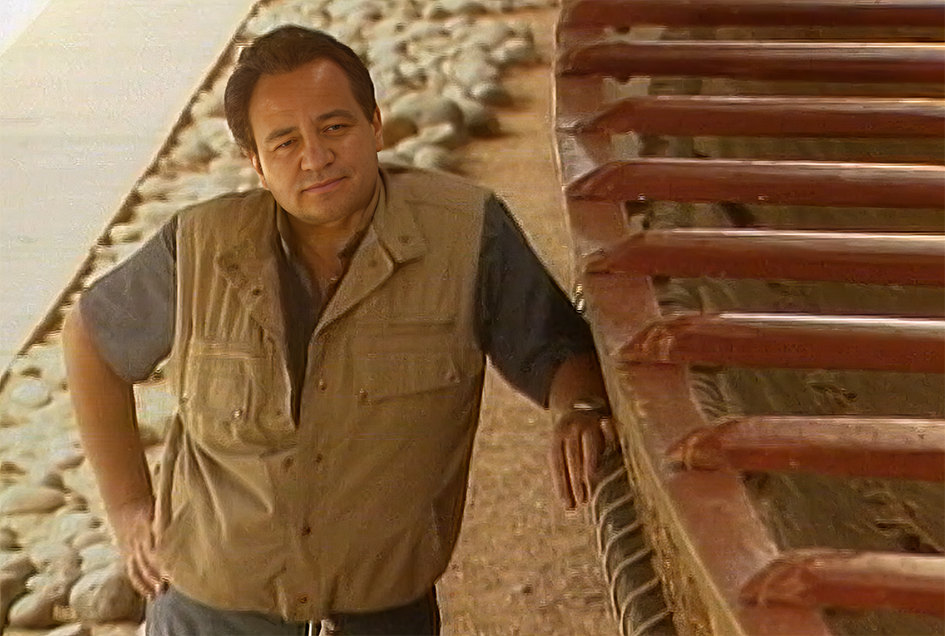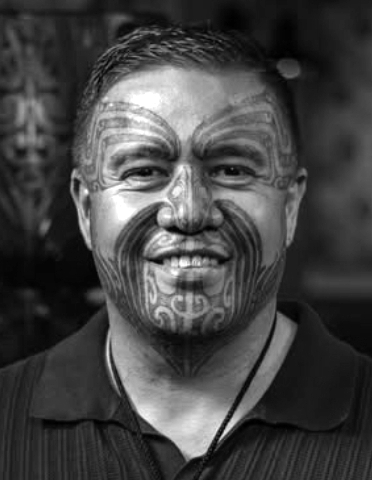
Che Wilson
Chairman
(Ngāti Rangi-Whanganui, Tūwharetoa, Mōkai Pātea, Ngāti Apa, and Ngā Rauru),
Che is a respected Māori leader with expertise in cultural advocacy, Treaty settlement, governance, Crown service, and research leadership.
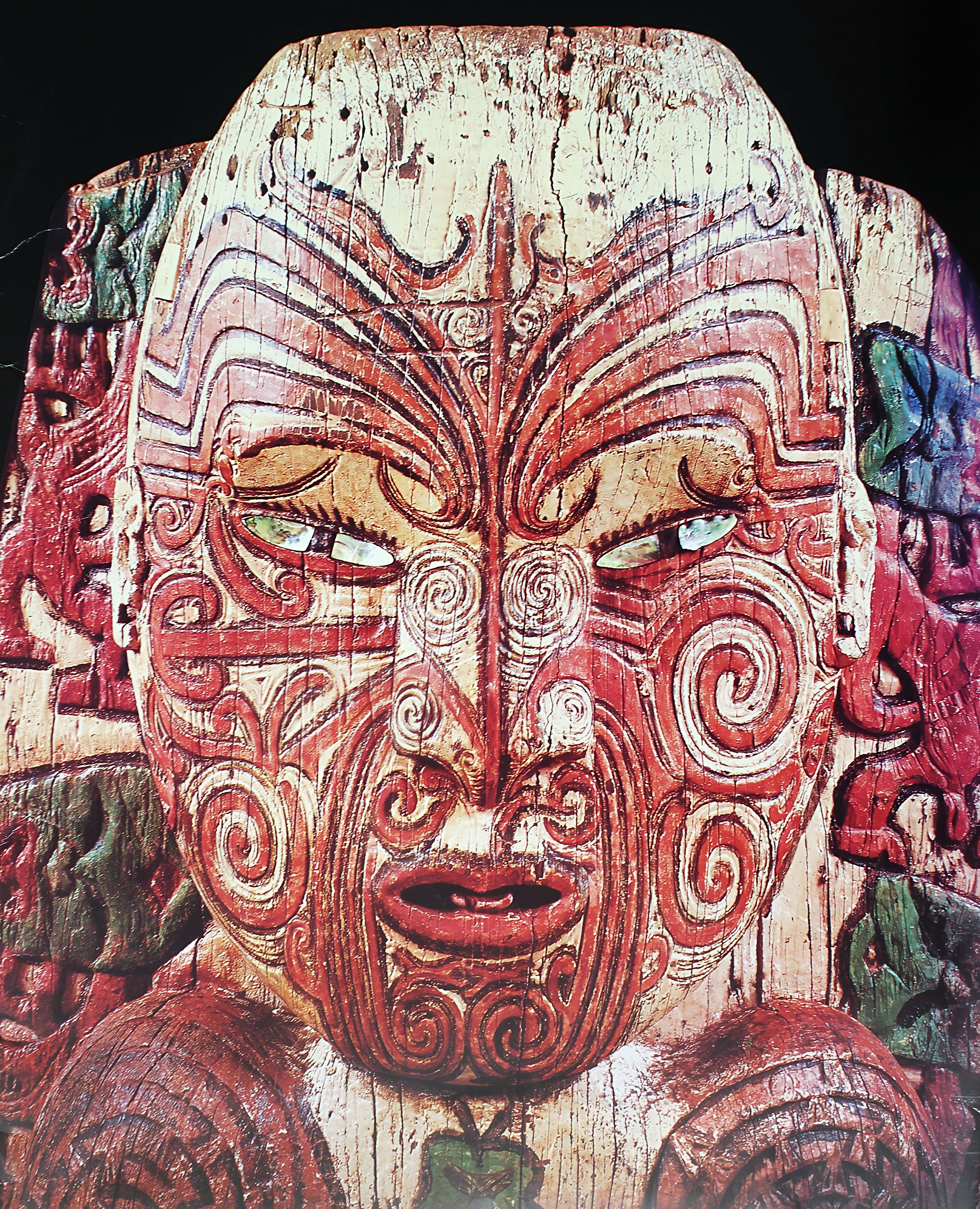
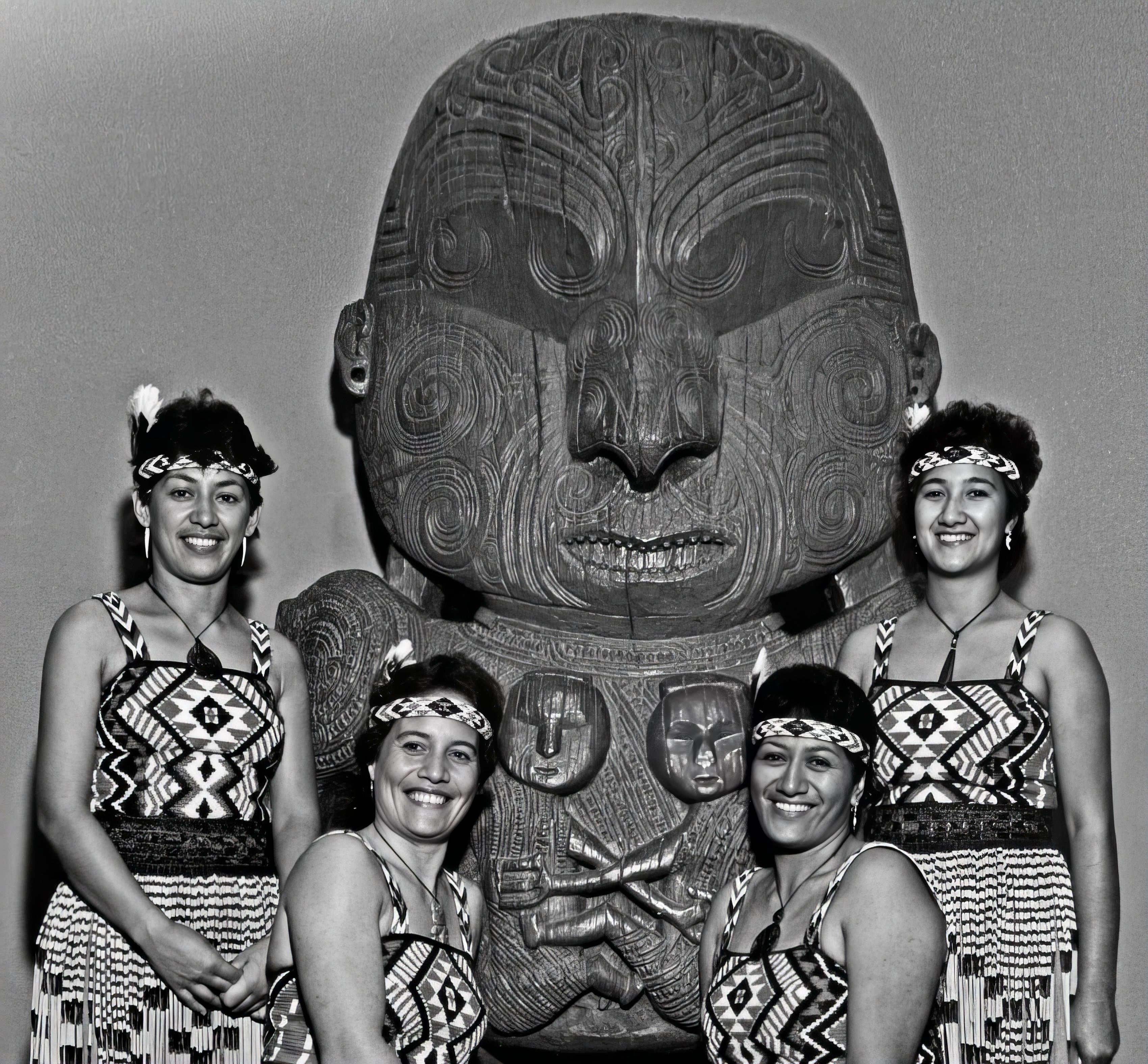
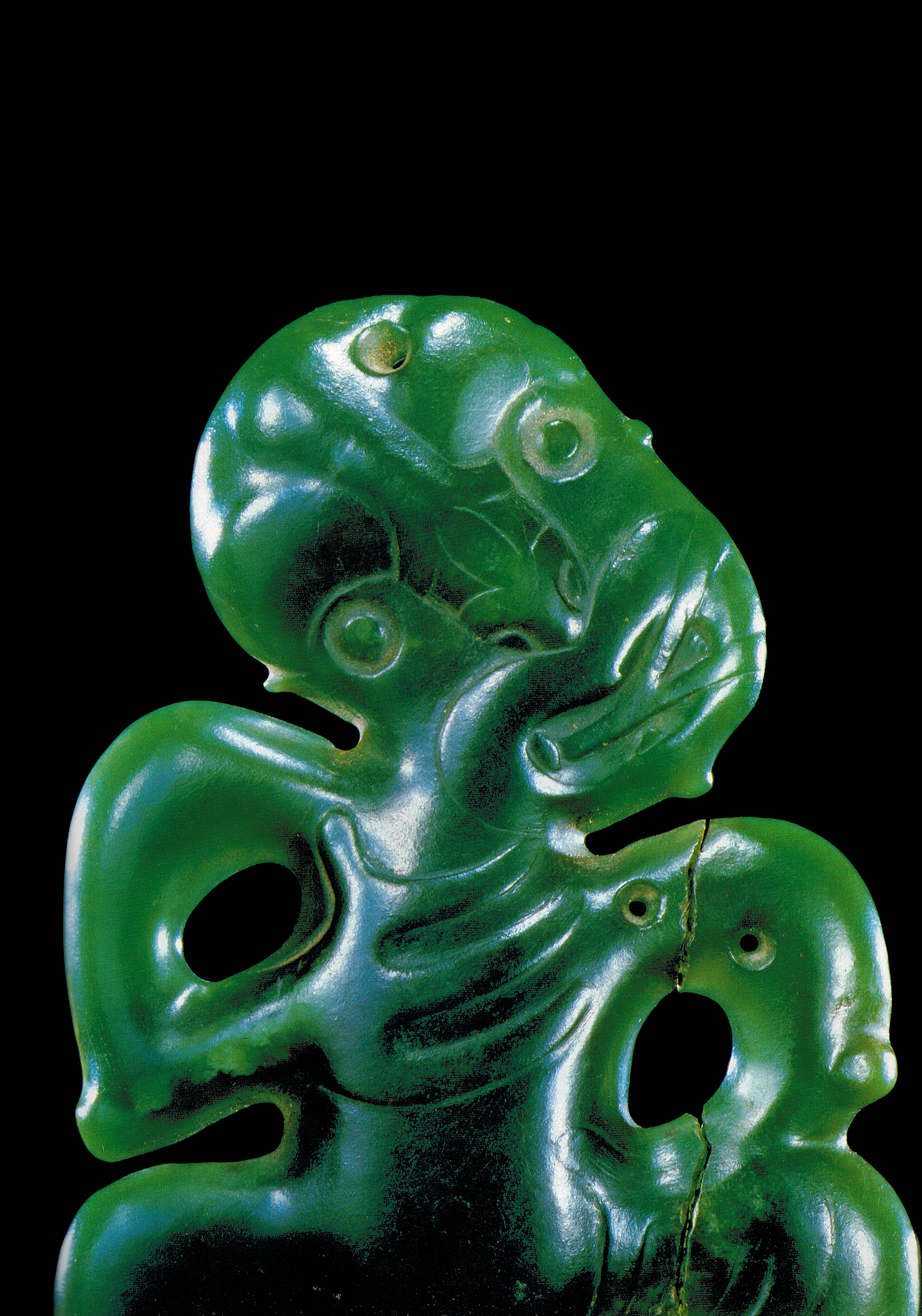
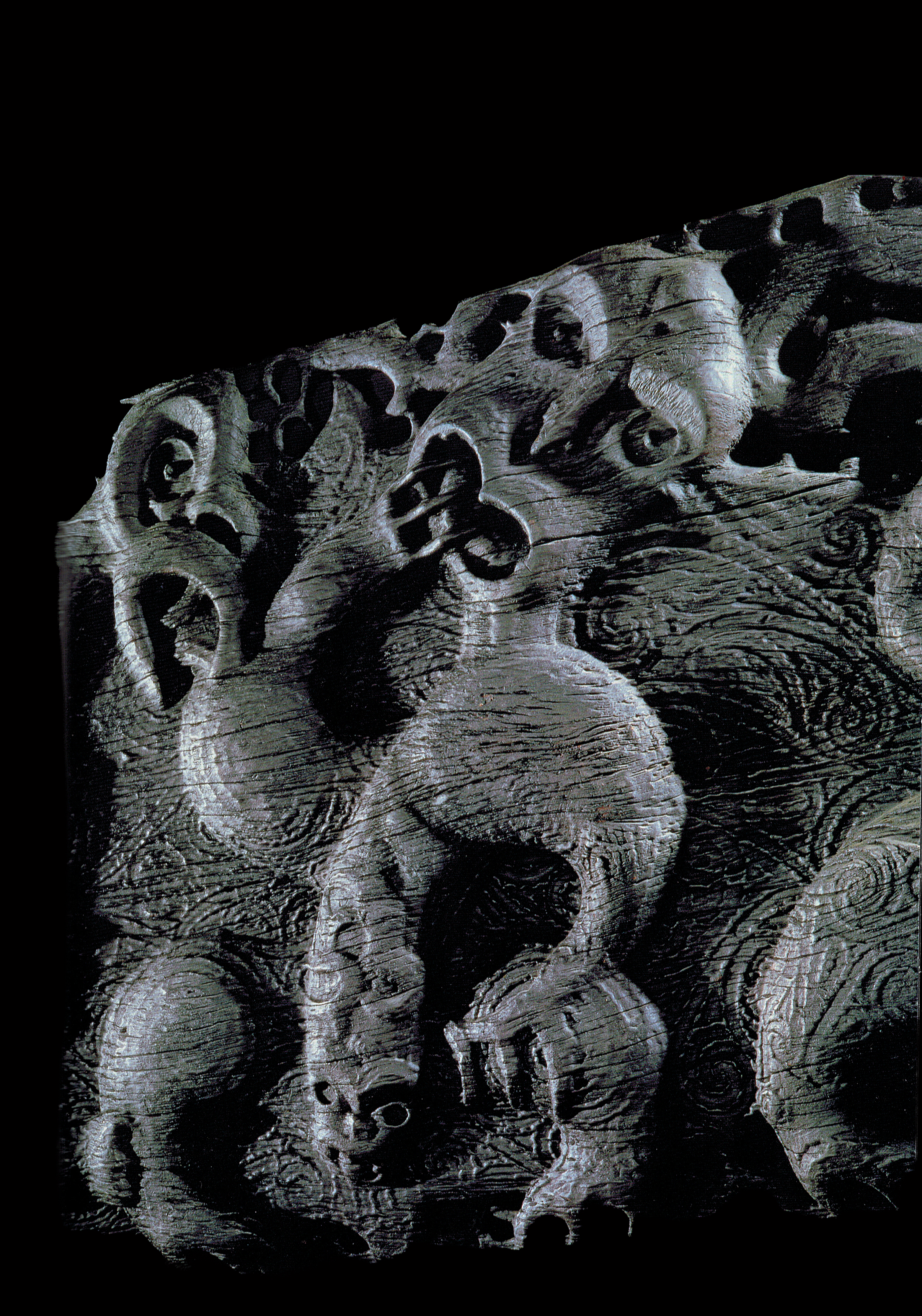
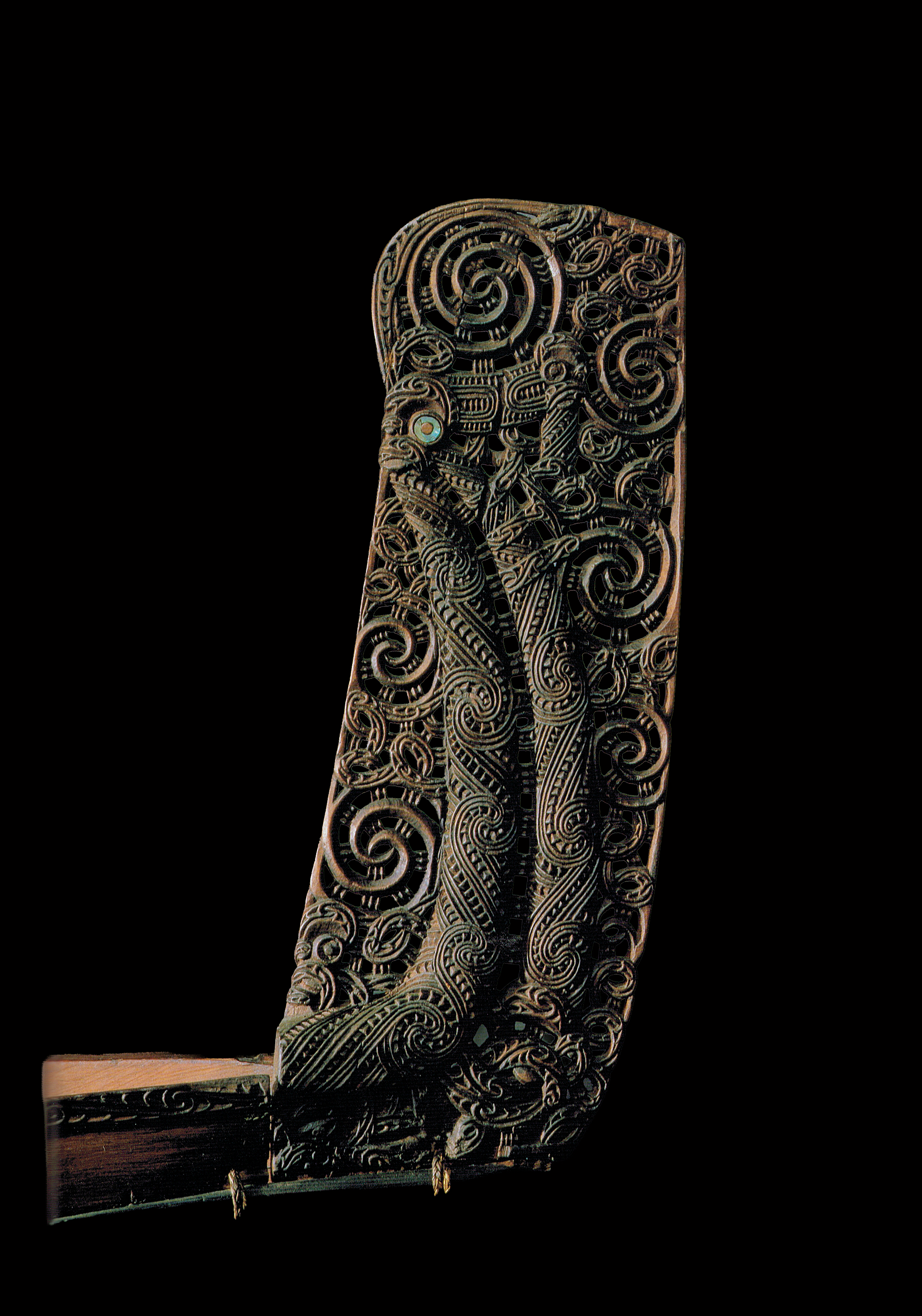
Te Māori was a ground-breaking exhibition of taonga Māori that toured North American and New Zealand museums from 1984-87. It fundamentally reshaped global and domestic perspectives of Māori culture.
One of the most powerful contributions was that it attracted worldwide interest in our art heritage and through its appeal gave us a place in the world. Our art heritage as represented by the pieces in Te Māori was recognised as world art.
It marked the first time taonga (treasures) were showcased internationally as high art rather than ethnographic artifacts, becoming a catalyst for the Māori cultural renaissance.
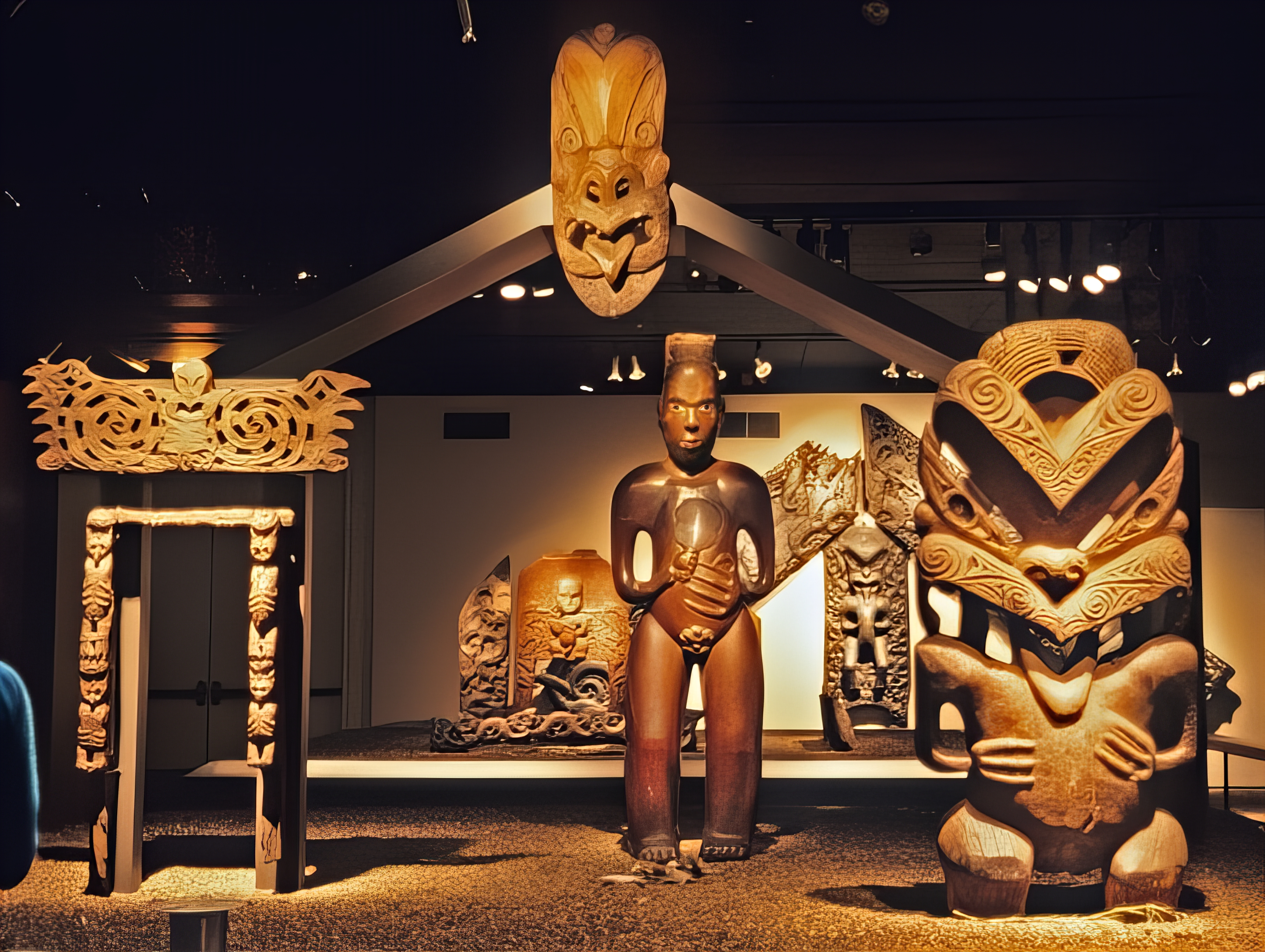
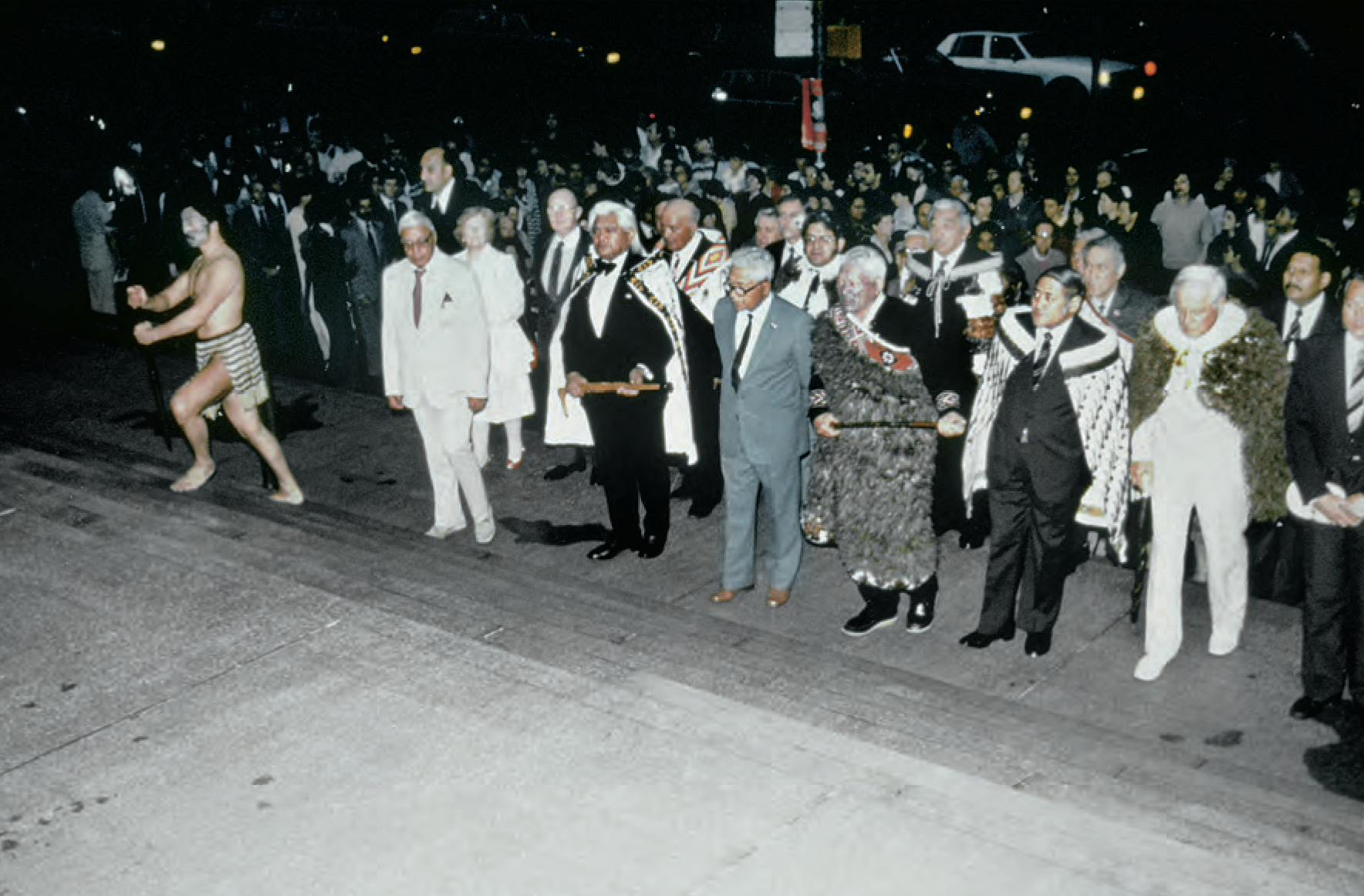
Te Māori Manaaki Taonga Trust ensures that the achievements of Te Māori are promoted, maintained and developed through generation.
The Trust was established in 1992 by founding trustees Tā Hirini Moko Mead, Wiremu Cooper and Te Aue Davis.
The purpose of the trust was to support the development of Māori professionals involved in the care and display of taonga Māori. The Trust fund is derived from profits of Te Māori.
For twenty years the Trust supported the training of many Māori curators, conservators and cultural heritage officers who are known as Te Māori Fellows.
In 2009 the Trust presented an exhibition and event at Te Māori Waiwhetū Cultural Centre to mark twenty-five years since Te Maōri opened at the Metropolitan Museum of Art in New York. At this gathering, Hirini Moko Mead, Māori Curator of Te Māori, emphasised the importance of these achievements for Māori people.
‘Te Māori was groundbreaking, it was transformative, and it helped introduce many changes in how we thought about ourselves, how museums behaved both here and in the United States, and how we as Māori behaved toward our taonga.’
The twenty-five year anniversary caused Trustees to reflect on the incredibly achievements of Māori people working in the cultural sector with taonga Māori and consider new objectives for the Trust.
In 2015 a new Te Māori Manaaki Taonga Trust Deed was launched at Te Hono ki Hawaiki, Museum of New Zealand Te Papa Tongarewa. The deed commits ongoing support for Māori working with taonga Māori and resolves to actively maintain the legacy of Te Māori for the benefit of Māori people.
The work of the Trust is supported by four pou:

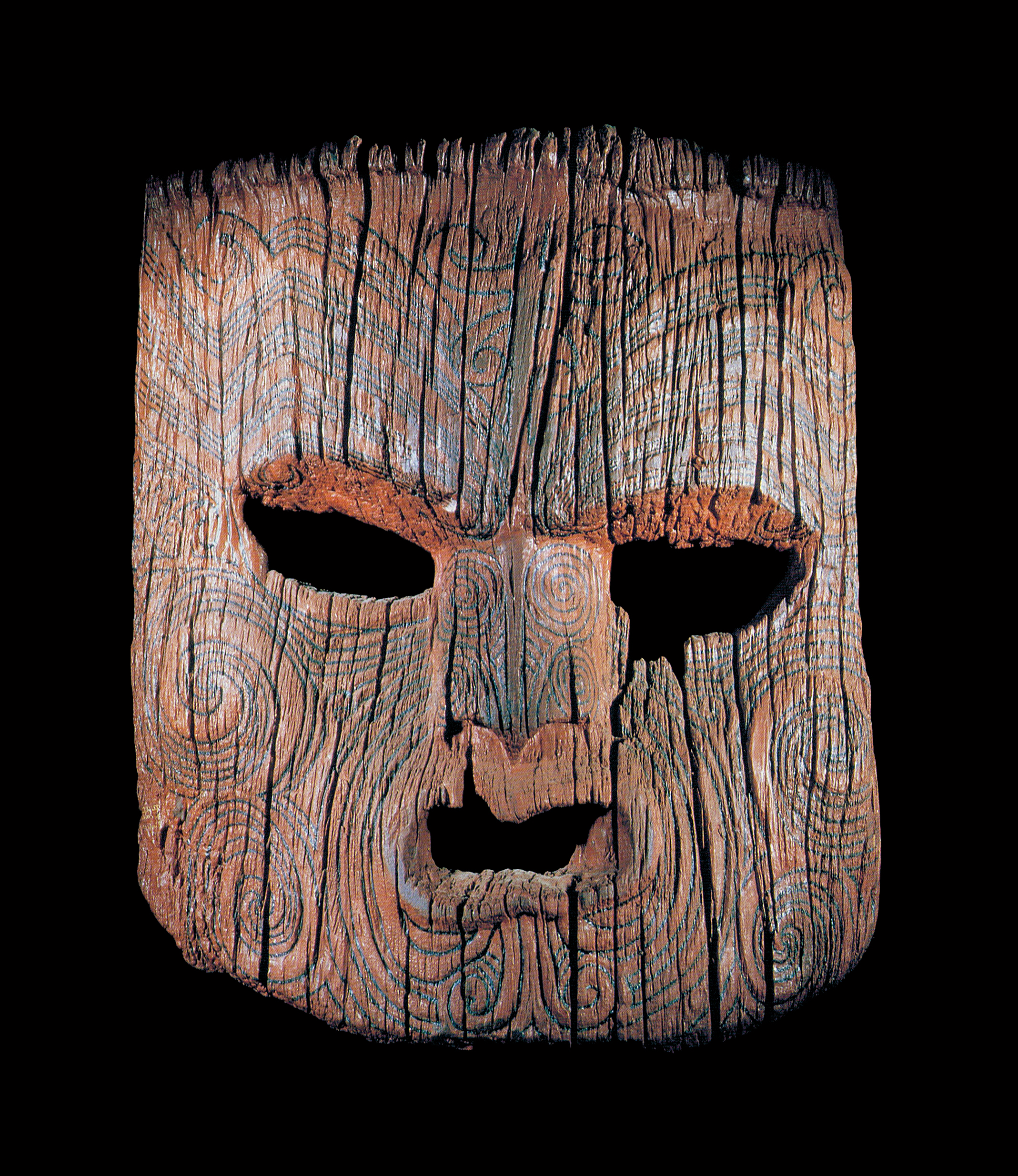
This image represents the tiwhana (moko lines above the eyebrow) of Ranginui.
These lines are important pathways that lead to the middle of the forehead and refer to wisdom and knowledge.
The middle line represents raranga and acknowledges the weaving of our people, traditions and culture.
The bottom line represents whakairo and salutes the people involved in the work of Te Māori.
As a whole Tiwhana-o-te-Rangi projects the essence of who we are as Māori people, acknowledges the time since Te Māori and the new direction undertaken by Te Māori Manaaki Taonga Trust.
Te Whainga: He toi whakairo, he mana turoa’
Since Te Māori, the doors of the world have opened and given opportunities to our contemporary weavers, carvers, painters, tā moko artists, performing artists to exhibit and perform their arts offshore.
A refreshed focus on Te Māori will continue to strengthen these opportunities with a focus on nurturing our cultural identity and creating space for new taonga to evolve.
Taonga protections and the importance of our hononga to our taonga will be at the forefront of the trusts mahi. Te oranga ake o te tangata whenua!
The future is exciting, with planning underway for the next major international exhibition, a "reimagining of Te Māori".
This is an opportunity to deliver enduring economic benefits for Māori businesses and the wider economy, driving increased export revenue, raising international visibility for Māori artists and opening doors to new markets and opportunities.
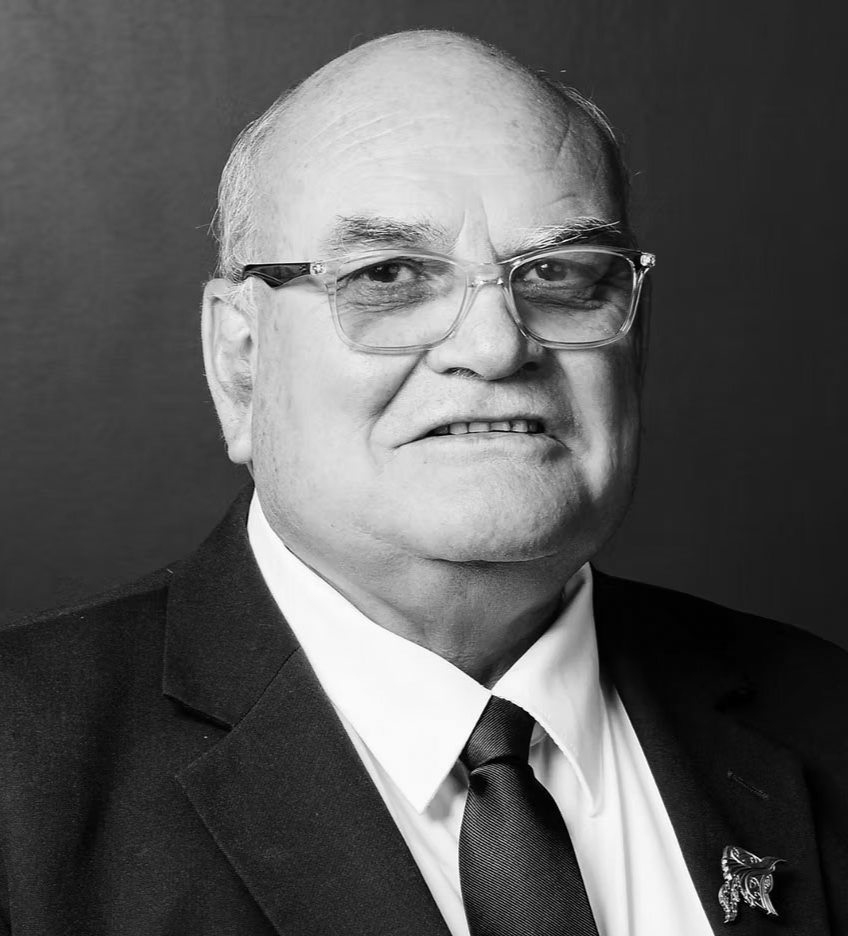
Chairman
(Ngāti Rangi-Whanganui, Tūwharetoa, Mōkai Pātea, Ngāti Apa, and Ngā Rauru),
Che is a respected Māori leader with expertise in cultural advocacy, Treaty settlement, governance, Crown service, and research leadership.
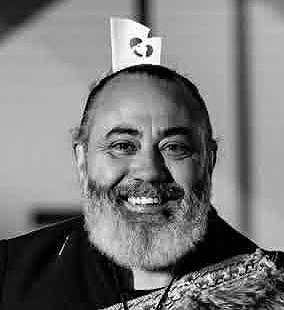
Deputy Chairman
(Te Arawa, Te Āti Awa), one of New Zealand’s most significant and innovative contemporary Māori artists.
Ngatai is the Kaihautū Toi Māori – Director of Māori Arts and Associate Pro Vice-Chancellor (Māori) at Massey University.
(Ngāti Porou),
Ta Herewini is a champion of the utilisation and revitalisation of te reo Māori, tikanga, waiata and kapa haka. Under his leadership, Te Matatini has grown significantly in viewership and kapa haka participation across the country.

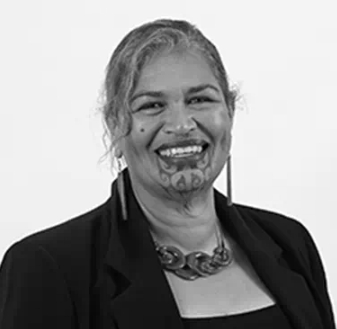
(Ngāti Awa, Ngāti Ranginui and Ngāti Pikiao),
Evie is an experienced professional in executive leadership and higher education. She was previously the inaugural Program Director at the Atlantic Institute based at Rhodes Trust, Oxford, in the United Kingdom.
(Ngāi Tahu, Ngāti Māmoe, Waitaha and Ngāti Kahungunu),
Puamiria is an experienced professional in the arts, culture and heritage sectors. She is current a member of the Ngāi Tahu Fund, Te Pae Kōrako Ngāi Tahu Archives, Canterbury Museum Trust Board and the Arts Council of New Zealand.
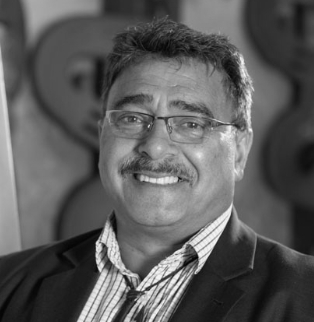
(Rongowhakaata, Ngāti Kahungunu, Ngāti Porou, Ngāi Tahu)
Arapata was previously a longstanding Trustee and has been reinvolved as a co-opted member. He is the Kaihautū Māori co-leader at the Museum of New Zealand Te Papa Tongarewa, where he provides bicultural leadership and works to develop strong relationships with iwi.
Delivered in partnership with Te Wānanga o Aotearoa and the Pitt Rivers Museum, the Te Māori Fellowship is an international professional development opportunity for two emerging and established Māori curators to participate in a six-week residency at the Pitt Rivers Museum in Oxford, England.
The fellowship provides a unique opportunity for fellows to develop curatorial practice within an international museum context and contribute to the understanding and interpretation of taonga Māori held overseas.
Two fellowships are available – one funded by Te Māori Manaaki Taonga Trust and one funded by Te Wānanga o Aotearoa (open to Te Wānanga o Aotearoa kaimahi and tauira only).
The residencies will take place from 11 October to 30 November 2026.
The Pitt Rivers Museum in Oxford is home to a significant collection of taonga Māori – including kākahu, whakairo, pounamu, photographs, and archival material. Many of these collections hold stories, whakapapa, knowledge, and connections to people and place that have become fragmented or disconnected over time.
The Te Māori Fellowship provides an opportunity for Māori curators to engage directly with these collections, contribute cultural knowledge and perspectives, and support a deeper understanding of taonga Māori within an international museum context.
Through research, collaboration, and knowledge exchange, the programme seeks to build Māori curatorial capability, advance Māori-led approaches to museum practice, and explore future opportunities for partnerships, exhibitions, research initiatives, cultural reconnection, and the strengthening of relationships between Māori and institutions holding taonga overseas.
Both fellows will undertake a six-week residency at the Pitt Rivers Museum, working alongside senior museum professionals and subject matter experts. Each fellow will be supported by a dedicated mentor, selected according to their area of interest and expertise, who will guide their learning and professional development throughout the residency.
Fellows will contribute to projects involving taonga Māori and Indigenous collections, while gaining hands-on experience in areas such as collections research, curatorial practice, conservation, public engagement, archives, and museum leadership. Alongside project work, fellows will have opportunities to engage with museum staff, researchers, and academic partners across the University of Oxford, building international networks and expanding their understanding of contemporary museum practice.
Applicants are encouraged to visit the Pitt Rivers Museum website to explore their current collections. The residency programme will be tailored to each fellow's professional interests, skills, and aspirations.
Potential areas of work may include:
Collection research and interpretation: Researching taonga Māori and associated archival material, contributing cultural knowledge and interpretation, and identifying opportunities to strengthen connections between collections and source communities.
Conservation and collections care: Exploring museum conservation practices, particularly relating to Māori textiles, organic materials, and culturally responsive approaches to collections care.
Public engagement: Supporting educational resources, exhibitions, public programmes, events, and storytelling initiatives that increase understanding of Māori and Indigenous collections.
Academic and institutional collaboration: Participating in research projects, Indigenous leadership initiatives, and collaborations across museums, universities, and cultural institutions.
Strategic development: Identifying opportunities for future partnerships, exhibitions, research initiatives, cultural exchange programmes, and reconnection with taonga held overseas.
Successful fellows will be expected to:
Established in 1992, Te Māori Manaaki Taonga Trust carries forward the legacy of Te Māori (1984-87), the groundbreaking exhibition that transformed how the world views our taonga and culture, and how we see ourselves.
The original purpose of the trust was to support the development of Māori professionals involved in the care and display of taonga Māori. For twenty years, the Trust supported the training of many Māori curators, conservators and cultural heritage officers who are known as Te Māori Fellows.
Through the Te Māori Fellowship, the Trust continues to support and strengthen Māori curatorial leadership, connections with institutions holding taonga Māori, and creating opportunities for research, cultural exchange, and the reconnection of mātauranga Māori (Māori knowledge) associated with taonga. The restoration of Te Māori fellowships reflects the Trust's commitment to ensuring Māori voices remain central to the understanding, stewardship, and future of taonga wherever they reside.
Te Wānanga o Aotearoa is one of New Zealand's largest tertiary education providers, established to protect, preserve, and advance Māori language, art, and culture. Their origins lie in the Waipa Kōkiri Arts Centre (1983), where visionary artists and educators sparked a renaissance in Māori creative expression.
Through their programmes in toi Māori, Te Wānanga o Aotearoa (Te Wānanga) has nurtured generations of artists, weavers, carvers, performers, designers, and thinkers who uphold the creative legacies of their iwi and hapū. Building on this legacy, Te Wānanga introduced a Diploma in Tiaki Taonga in 2025 alongside Waikato-Tainui. It is an innovative programme dedicated to the protection, care, and curation of taonga.
The Te Māori Fellowship extends that commitment by creating international pathways for Māori practitioners to engage with leading cultural institutions, develop specialist skills, and contribute to the future of Māori heritage management.
Founded in 1884, Pitt Rivers Museum at the University of Oxford is one of the world's leading ethnographic and anthropological museums, housing over half a million artefacts from Indigenous cultures across the world, including an extensive collection of taonga Māori.
The museum is internationally recognised for its decolonisation efforts, Indigenous engagement and community partnerships. It is also recognised for its commitment to ethical collections practice and collaborative approaches to research.
The residency provides a unique opportunity for Māori practitioners to engage directly with taonga Māori housed at Pitt Rivers Museum and contribute Indigenous perspectives to contemporary museum practice while building relationships that support future collaboration between Māori communities and international institutions.
22 September 2026
Digital heritage researcher Chanel Coromandel, master weaver Hamuera Manihera, and cultural interpretation expert Paora Tibble have been selected from more than 100 applicants to undertake a prestigious research residency at Oxford University’s Pitt Rivers Museum.
Ngātaiharuru Taepa, Deputy Chair of Te Māori Manaaki Taonga Trust says selecting three recipients for the inaugural Te Māori Fellowship was an incredibly difficult task.
“We were impressed by the extraordinary talent and capability of the applicants. It bodes well for the future care of taonga Māori and the evolution of toi Māori.
“Te Māori Manaaki Taonga Trust sees fellowships as building an enduring pathway for more Māori researchers, practitioners and cultural leaders to connect with taonga Māori collections and institutions around the world.”
Launched earlier this year, the Te Māori Fellowship is a partnership between Te Māori Manaaki Taonga Trust, Te Wānanga o Aotearoa, and the Pitt Rivers Museum. It gives Māori cultural leaders the opportunity to lead research and apply mātauranga Māori to Pitt Rivers’ extensive taonga Māori collections.
Evie O’Brien, Te Kura Toroa (CEO) of Te Wānanga o Aotearoa says pioneering this first cohort represents a major opportunity to return critical knowledge to grassroots communities.
“These taonga carry whakapapa, knowledge and stories that belong to our people, so creating opportunities for Māori researchers and practitioners to engage with them on their own terms is incredibly important.
“We are exceptionally proud to support Chanel, Hamuera and Paora to take up this opportunity. What matters most is the knowledge, relationships and experience they bring home to benefit whānau, hapū, iwi and communities across Aotearoa.”
For the host institution, welcoming this inaugural cohort from Aotearoa provides a practical pathway towards decolonisation.
Professor Laura Van Broekhoven, Director of the Pitt Rivers Museum, says, “We are honoured to welcome Chanel, Hamuera, and Paora as our inaugural Te Māori Fellows to Oxford.
“The Pitt Rivers Museum is committed to actively reconciling past museum practices and addressing the ongoing impacts of colonisation on indigenous cultures. Opening our collections and archives to Indigenous Fellows helps address gaps in our knowledge and advance Indigenous-led approaches to interpretation and curation.”
Each Te Māori Fellow will focus on a distinct area of research:
Chanel Coromandel (Ngāti Raukawa, Ngāti Hine, Ngāti Apakura, Ngāti Whanaunga) will apply her digital archiving expertise to the historical archives of Mākereti Papakura, investigating safe approaches to digital care and reconnection.
Hamuera Manihera (Ngāti Kuia, Ngāti Apa ki te Rā Tō, Ngāti Koata, Ngāi Tahu, Ngāti Toa) will explore early contact textile collections, applying generational knowledge to the design of regional heritage storage facilities.
Paora Tibble (Ngāti Porou, Ngāti Tūwharetoa, Ngāti Raukawa, Te Whānau a Apanui) will examine historic labelling methodologies to design a future Māori Language Interpretation Framework, to support whānau, hapū, and iwi engagement with collecting institutions on his return.
The inaugural Te Māori Fellows will undertake an intensive seven-week residency in Oxford, United Kingdom, from 12 October to 29 November 2026.
ENDS
Te Māori Manaaki Taonga Trust: Hinerangi Apanui-Barr | +64 21 656 310
Te Wānanga o Aotearoa: Whitney Nuku | + 64 27 346 9195
Pitt Rivers Museum: Louise Hancock | +441865 613017 | + 44 7553 433635
Kaimahi: Workers, employees.
Mātauranga Māori: Māori knowledge systems, indigenous wisdom and cultural concepts.
Tauira: Students, learners.
Taonga: Valued possessions, heritage, or anything highly prized (in this context, cultural treasures).
Toi Māori: Māori arts, creative expressions, and living cultural practices.
Waikato-Tainui: Tribal organisation representing the people from the Waikato-Tainui region.
Whakapapa: Genealogy, lineage, and the interconnected lineage of the environment, people and objects.
Whānau / Hapū / Iwi: Extended family / sub-tribe / tribe.
Te Wānanga o Aotearoa acknowledges the British Council’s support for this opportunity and its role in continuing a legacy of cultural exchange between the UK and Aotearoa.
EMBARGOED until 29 June 2026, 8.00 am
Māori cultural practitioners are being called to step onto the global stage, with applications now open for the Te Māori Fellowship.
The Fellowship offers two international development opportunities for Māori curators, practitioners, researchers and cultural heritage professionals to work directly with taonga Māori held overseas, alongside senior museum professionals.
Delivered in partnership with Te Wānanga o Aotearoa and the Pitt Rivers Museum, the programme will see two Fellows undertake a six-week residency in Oxford, United Kingdom, from 11 October to 30 November 2026. One Fellowship is reserved for Te Wānanga o Aotearoa tauira and kaimahi, reflecting the partnership underpinning the programme.
The initiative builds on the enduring legacy of Te Māori, which reshaped how the world understands and values Māori art and culture, and how we see ourselves.
Te Māori Manaaki Taonga Trust Board Member Dr Arapata Hakiwai says the Fellowships are about strengthening Māori cultural leadership and presence internationally.
“This is about creating opportunities for our people to engage directly with our taonga held overseas, while upholding and sharing our tikanga and mātauranga.
“We want to see emerging and experienced practitioners apply. The restoration of this fellowship is about building our capability, strengthening relationships and ensuring our stories continue to be told on our term, here at home and around the world.”
Through the residency, Fellows will engage with internationally significant collections, contribute to research and interpretation, and connect with Māori and other indigenous networks in the UK and Europe.
Applications open Monday 29 June and close Monday 20 July 2026. Further information, including application details, is available via Te Māori Manaaki Taonga Trust website: www.temaori.nz
ENDS
Te Māori Manaaki Taonga Trust: Hinerangi Apanui-Barr, 021 656 310
Te Wānanga o Aotearoa: Whitney Nuku, 027 346 9195
Photographs from the launch of the Te Māori Fellowship with the Pitt Rivers Museum, University of Oxford, delivered in partnership with Te Wānanga o Aotearoa on 30 April 2026. Māngere Campus, Te Wānanga o Aotearoa, Tāmaki Makaurau - Auckland
Download images: MOU Symposium Images - Dropbox
Credit: Courtesy of Te Wānanga o Aotearoa
Usage: Free for editorial use related to this announcement only
8891 – Dr Arapata Hakiwai receiving the wero from Te Wānanga o Aotearoa at the launch of the Pitt Rivers Te Māori Taonga Fellowship
9172 – Evie O'Brien (TWOA) presenting taonga to Pitt Rivers Museum delegate - Professor Laura Van Broekhoven (receiving the taonga), and Vice-Chancellor of Oxford University, Professor Irene Tracey (on the left).
9392 – Te Manaaki Māori Trust, Te Wānanga o Aotearoa, and Pitt Rivers Museum partners.
Front from L to R: Vanessa Eparaima (Council Chair, TWOA), Professor Laura Van Broekhoven, (Director, Pitt Rivers Museum), Puamiria Parata-Goodall and Dr Arapata Hakiwai (Te Māori Manaaki Taonga Trustees)
Back from L to R: John Pearson, (Acting British High Commissioner to New Zealand), Professor Ngatai Taepa (Te Māori Manaaki Taonga Trustee), Professor Irene Tracey (Vice-Chancellor, Oxford University), Evie O'Brien, (CEO, Te Wānanga o Aotearoa), Natasha Beckman, (Director, British Council New Zealand and the Pacific), Dr Te Aro Moxon, (Oxford University graduate, Senior Lecturer, University of Auckland), Makere Derbyshire (British High Commission - New Zealand), Holly Peterson, (Director Alumni Relations, Oxford University).
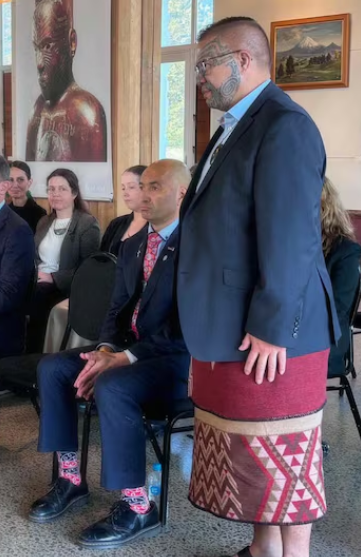
9341 – Te Manaaki Māori Trust Deputy Chair Ngātaiharuru Taepa speaking on receiving taonga from Te Wānanga o Aotearoa.
28 May 2026
Te Māori Manaaki Taonga Trust acknowledges the Government’s $10 million investment as a significant contribution towards advancing Māori artistic excellence, artists and Māori cultural leadership on the world stage.
Te Māori Trust Deputy Chair Ngātaiharuru Taepa says the investment provides support towards caring for the enduring mana and global future of taonga Māori.
“This investment recognises the mana, depth, and excellence of taonga Māori. It gives us the ability to take our taonga, our people and our mātauranga Māori (Māori knowledge) to the world with ambition, integrity, and purpose.”
The announcement comes as the legacy of Te Māori exhibition (1984-87), which opened at the Metropolitan Museum of Art in New York continues to shape the direction of Māori art and cultural leadership internationally.
Speaking at the 25th anniversary of Te Māori in 2009, Tā Hirini Moko Mead, who helped create the touring exhibition, reflected on its lasting influence.
“Te Māori was groundbreaking and transformative. It reshaped how we saw ourselves, influenced how museums operated both here and in the United States, and changed how we as Māori related to our taonga.”
Taepa says that legacy remains a powerful foundation for the Trust’s future direction.
“Te Māori shifted the world’s understanding of Taonga Māori—from curiosities of the past to being recognised as an important part of a living culture of artistic excellence. This investment will enable the Trust to build national and international partnerships, expand fellowship and exhibition opportunities, and ensure taonga Māori continues to be valued and celebrated.”
Last month, the Trust, in partnership with Te Wānanga o Aotearoa, launched a fellowship with the Pitt Rivers Museum at the University of Oxford, which holds significant collections of taonga Māori.
“Opportunities like Pitt Rivers place our people within some of the world’s most influential institutions. They allow Māori artists and curators to lead, to learn, and to bring our perspectives into global spaces of shared understanding,” Taepa says.
“Our focus is on caring for taonga as part of a thriving culture and creating space for new taonga to emerge. This is about honouring our past, elevating our taonga, and ensuring Māori art thrives for generations to come.”
ENDS
Media contact: Hinerangi Apanui-Barr (021 656 310)
Photographs from the launch of the Te Māori Taonga Fellowship at the Pitt Rivers Museum, University of Oxford, delivered in partnership with Te Wānanga o Aotearoa on 30 April 2026. Māngere Campus, Te Wānanga o Aotearoa, Tāmaki Makaurau - Auckland
Download images: MOU Symposium Images - Dropbox
Credit: Courtesy of Te Wānanga o Aotearoa
Usage: Free for editorial use related to this announcement only
8891 – Dr Arapata Hakiwai receiving the wero from Te Wānanga o Aotearoa at the launch of the Pitt Rivers Te Māori Taonga Fellowship
9172 – Evie O'Brien (TWOA) presenting taonga to Pitt Rivers Museum delegate - Professor Laura Van Broekhoven (receiving the taonga), and Vice-Chancellor of Oxford University, Professor Irene Tracey (on the left).
9392 – Te Manaaki Māori Trust, Te Wānanga o Aotearoa, and Pitt Rivers Museum partners.
Front from L to R: Vanessa Eparaima (Council Chair, TWOA), Professor Laura Van Broekhoven, (Director, Pitt Rivers Museum), Puamiria Parata-Goodall and Dr Arapata Hakiwai (Te Māori Manaaki Taonga Trustees)
Back from L to R: John Pearson, (Acting British High Commissioner to New Zealand), Professor Ngatai Taepa (Te Māori Manaaki Taonga Trustee), Professor Irene Tracey (Vice-Chancellor, Oxford University), Evie O'Brien, (CEO, Te Wānanga o Aotearoa), Natasha Beckman, (Director, British Council New Zealand and the Pacific), Dr Te Aro Moxon, (Oxford University graduate, Senior Lecturer, University of Auckland), Makere Derbyshire (British High Commission - New Zealand), Holly Peterson, (Director Alumni Relations, Oxford University).
9341 – Te Manaaki Māori Trust Deputy Chair Ngātaiharuru Taepa speaking on receiving taonga from Te Wānanga o Aotearoa.

The Government has announced a $10 million boost to support Te Māori Tū, a new initiative that builds on the legacy of the original Te Māori exhibition. This investment will help protect taonga, grow Māori-led cultural projects, and create new opportunities for Māori artists and communities.
Read the full story to see how this funding will shape the next chapter of Te Māori.
Read the latest story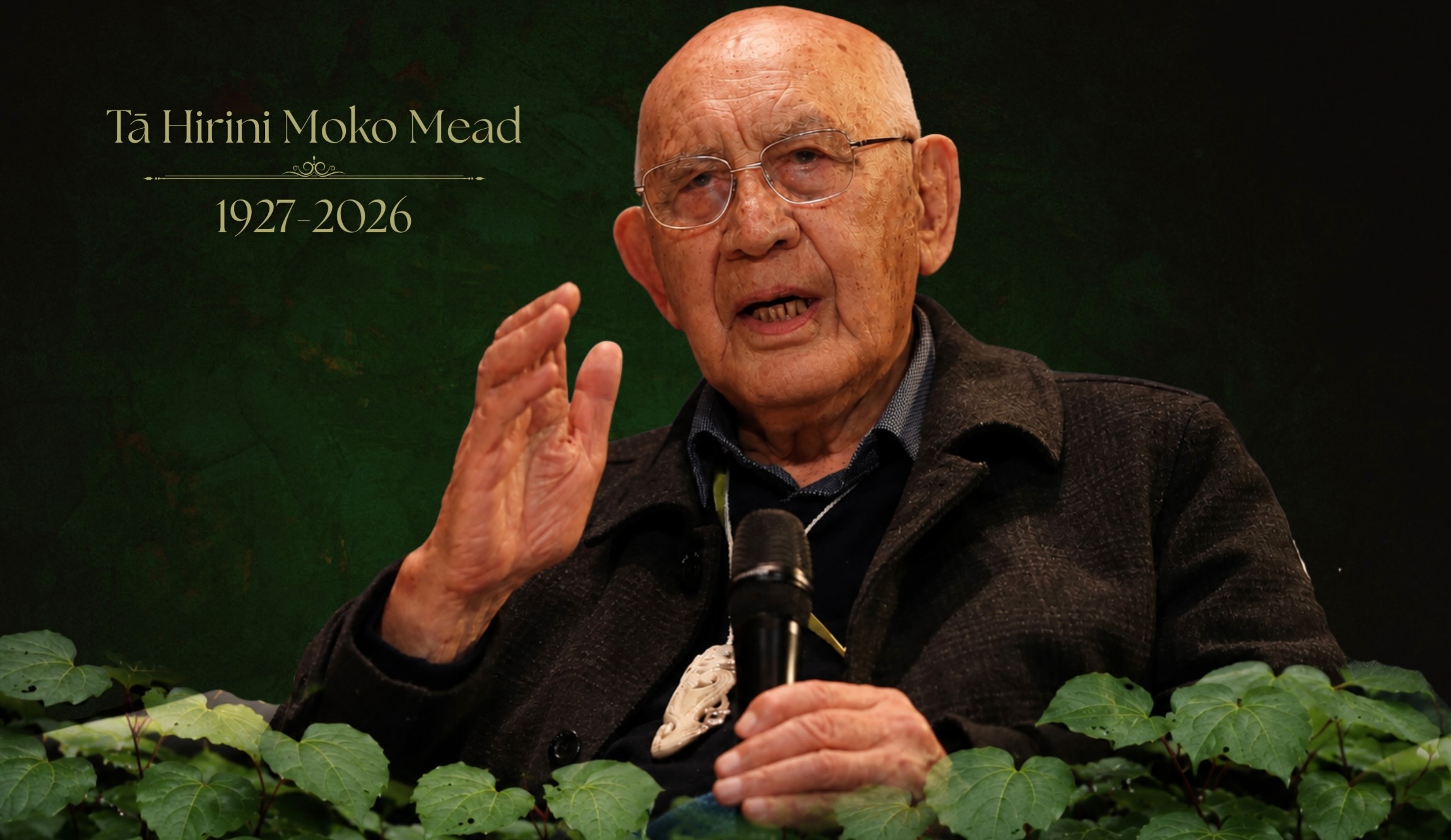
Courtesy of NZ on screen
(this link takes you to NZonscreens website)